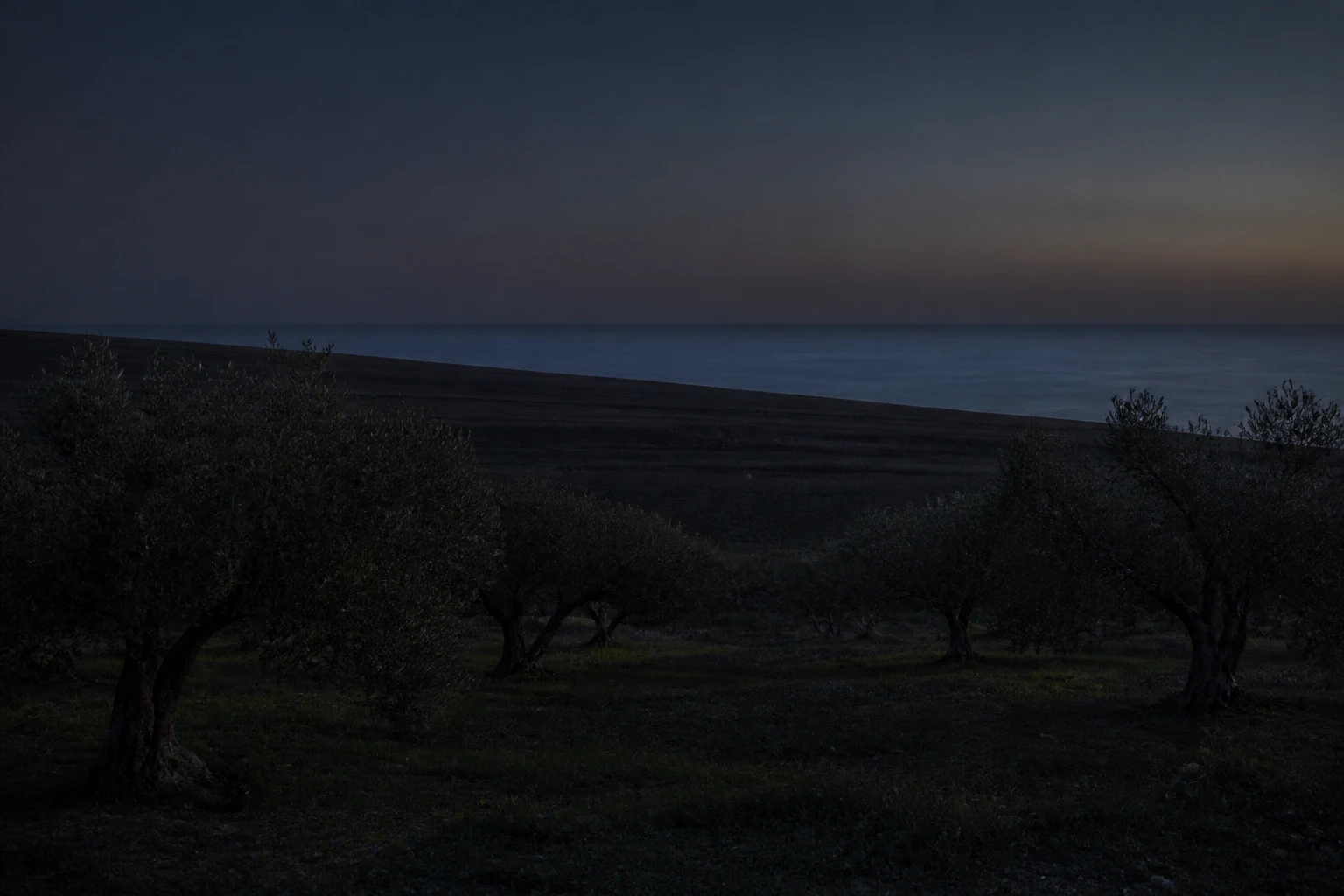
01 · Arbequina
Delicateness
Soft · Aromatic · Balanced
- Sweet almond
- Mature apple and banana
- Barely bitter or itchy
- Raw, salads and fish
- Soft sauces and pastries
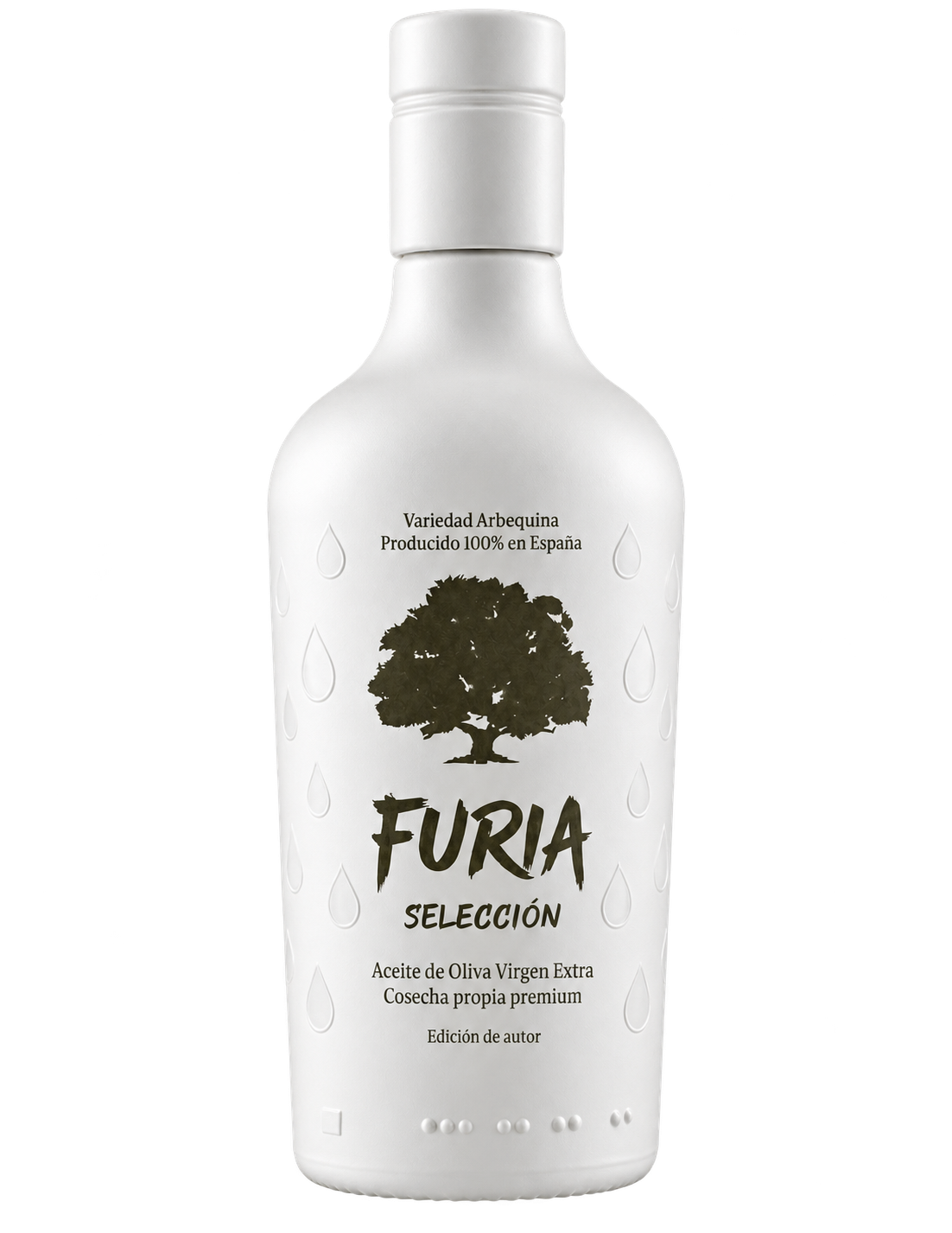
Furia Selección
Not everything deserves to be named after us.
We select what we produce, what we make and what we decide to offer.
Less references.
More judgment.
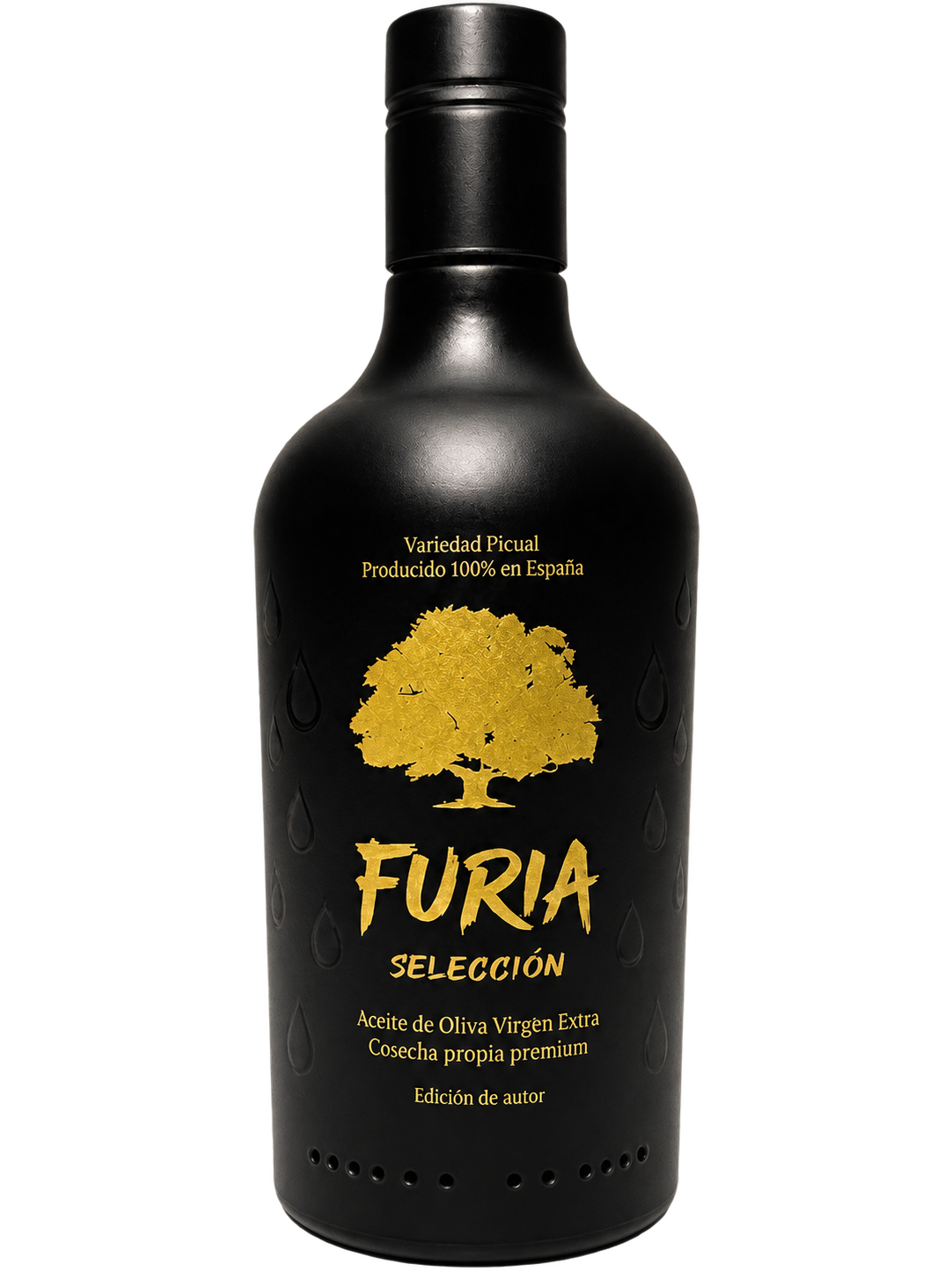
Own harvest · Limited production
Two varieties.
Same criterion.
Arbequina and Picual. Two different profiles, selected with the same requirement.
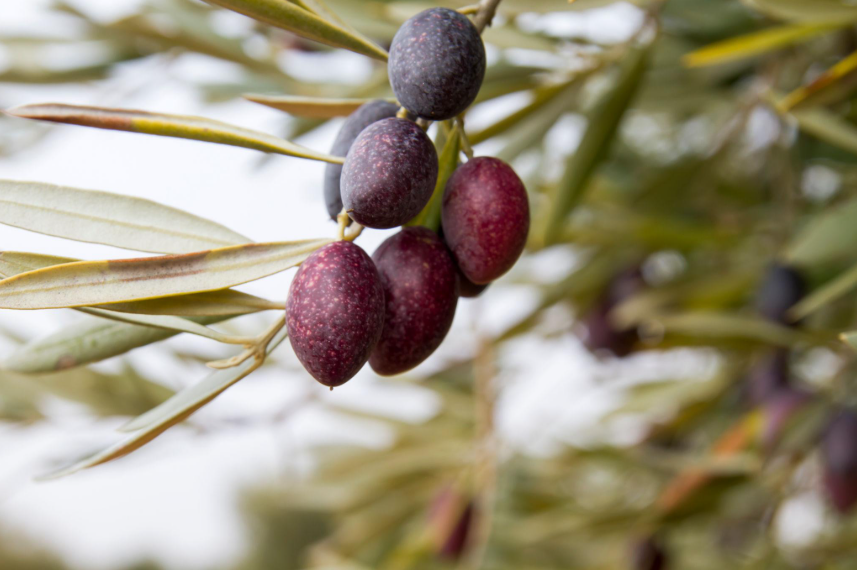
The origin before the bottle
Start at the olive.
At the time of harvesting and in how to treat it until it is converted into oil. Our OVE comes from olive oil own harvest and is obtained only by mechanical processes, with cold extraction.
We're not looking for Arbequina and Picual We're looking for each one to retain his character.
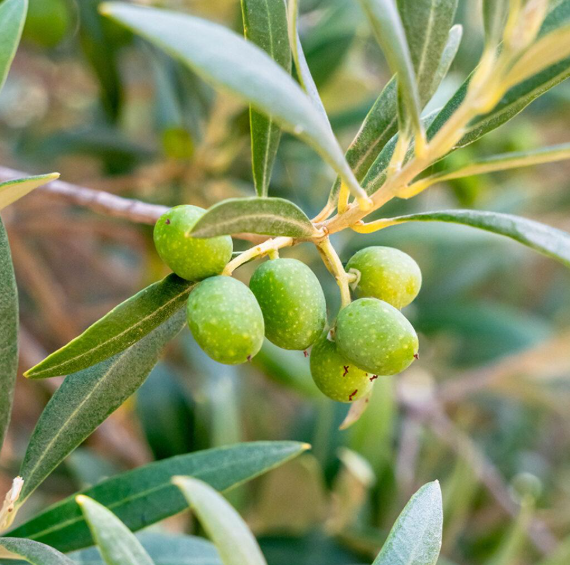
Two expressions
There's no better one than the other.
01 · Arbequina
Soft · Aromatic · Balanced
02 · Picual
Intense · Green · Balanced
Our tour
A short, controlled and understandable journey without unnecessary steps.
What deserves to be explained
Luxury is also about being able to ask. We want you to know what you are choosing, how it is made and what really makes each variety different.
Select a question. The answer will appear without removing you from the page.
extra virgin olive oil means extra virgin olive oil. It is the upper category of virgin olive oils: it is obtained directly from olives only by mechanical procedures and must meet established chemical and sensory requirements.
Definition · International Olive CouncilYes, the OVE Furia Selección It comes from olives of its own harvest in Spain. We do not buy a finished oil to limit our intervention to placing a label on it.
The product begins for us before the mill.
It means that during obtaining the oil the temperature of the process is controlled to better preserve its characteristics. It is obtained by mechanical procedures, without refining.
We do not use the expression "cold-pressed" because it does not accurately describe the modern extraction system.
As a reference, about five to six kilos of olive may be needed to obtain one liter of oil. The yield is not fixed: it changes with variety, campaign, climate and fruit state.
No. We select a specific part to bottle it under our name. The rest follow the usual commercial channels.
We prefer to limit production rather than empty the word 'Selection'.
Because we depend on a real crop, its yield and the part that we decide to reserve. Availability should not dictate the criterion.
Acidity is a chemical parameter of quality; it does not describe that the oil knows "acid". The extra virgin olive oil must meet the legal limit of its category. Arbequina a acidity of less than 0,2° is declared.
This data belongs to the product file and does not replace a tasting or explain the taste alone.
Arbequina offers a softer, more aromatic and sweeter profile with notes of almond and ripe fruit. Picual expresses greater intensity, with memories of olive leaf, tomato and fresh grass.
It is not a hierarchy, it is a choice of character.
No. Bitterness and itching can form part of the natural sensory profile of an extra virgin. Picual are more noticeable; Arbequina appear in a much more contained form.
Yes. It can be used in both raw and cooking. Arbequina fits especially well in delicate preparations; Picual brings more presence in Mediterranean dishes and elaborations with greater character.
Light, heat and oxygen damage the preservation of oil. An opaque bottle helps protect it from light and is part of product care, not just its appearance.
In a cool and dry place, away from light and heat sources. Keep the bottle tightly closed to reduce your contact with oxygen.
They are naturally present in olive oil and a subject of scientific interest. Their quantity varies according to variety, cultivation, maturity and processing.
We do not attribute to a particular batch any quantity or specific effect without an analysis that proves it.
Olive oil contains antioxidant compounds, but a general description does not authorize medical promises or convert food into treatment. We prefer to explain the product without exaggerations.
Yes. It is a food fat and its main fatty acid is oleic, monounsaturated type. The amount consumed and the whole diet remain important.
PREDIMED studied in people with high cardiovascular risk Mediterranean diet patterns supplemented by extra virgin olive oil or nuts, compared to recommendations of a reduced fat diet.
It wasn't a study on Furia Selección and does not show that a particular oil heals or prevents disease alone.
Corrected publication · New England Journal of MedicineBecause we know the origin, we intervene from harvest and choose which part deserves to end under our name. We do not promise that everything is exceptional. We work to make it what we select.
Own harvest → criterion → limited selection.
Because a single expression does not represent all tastes and uses. Arbequina allows to work the delicacy; PicualTogether they explain our judgment better than an undifferentiated mixture.
For fish, homemade mayonnaise, soft creams, pastries or delicate salads, Arbequina. For toast, tomato, salads with character and Mediterranean cuisine, Picual.
It is an orientation, not a norm: personal taste ends up deciding.
It has not undergone an industrial refining process aimed at correcting oils that do not meet the characteristics of a virgin. An extra virgin olive oil is obtained directly from olives by mechanical procedures.
No. Oil is not intended to age indefinitely. From bottling a gradual evolution begins, so it should be preserved well and consumed with freshness.
First, smell it calmly. Then take a small amount, spread it through your mouth and observe the entrance, retronasal aroma, bitterness and itching. Finally, compare it with the other variety.
Smell → test → recognize → compare.
If you are looking for delicacy, ripe fruit and a gentle step: Arbequina. If you prefer intensity, green notes and a more marked presence: Picual.
If you doubt, knowing both is the best answer.
Why Furia Selección
We choose which olive, what process and what part of the harvest deserves to reach the bottle.
Two varieties.
Same demand.
HONEY
Collection · Four origins
Four honeys.
Chosen from many.
We look for four different expressions, with origin, character and a reason to stay.
Why only four
Not all honeys have to end up under our name.
Each harvest changes with the blooming, weather, territory and work of bees. We observe. We test. Only then do we decide.
We prefer a brief and understandable collection rather than offering more to offer.
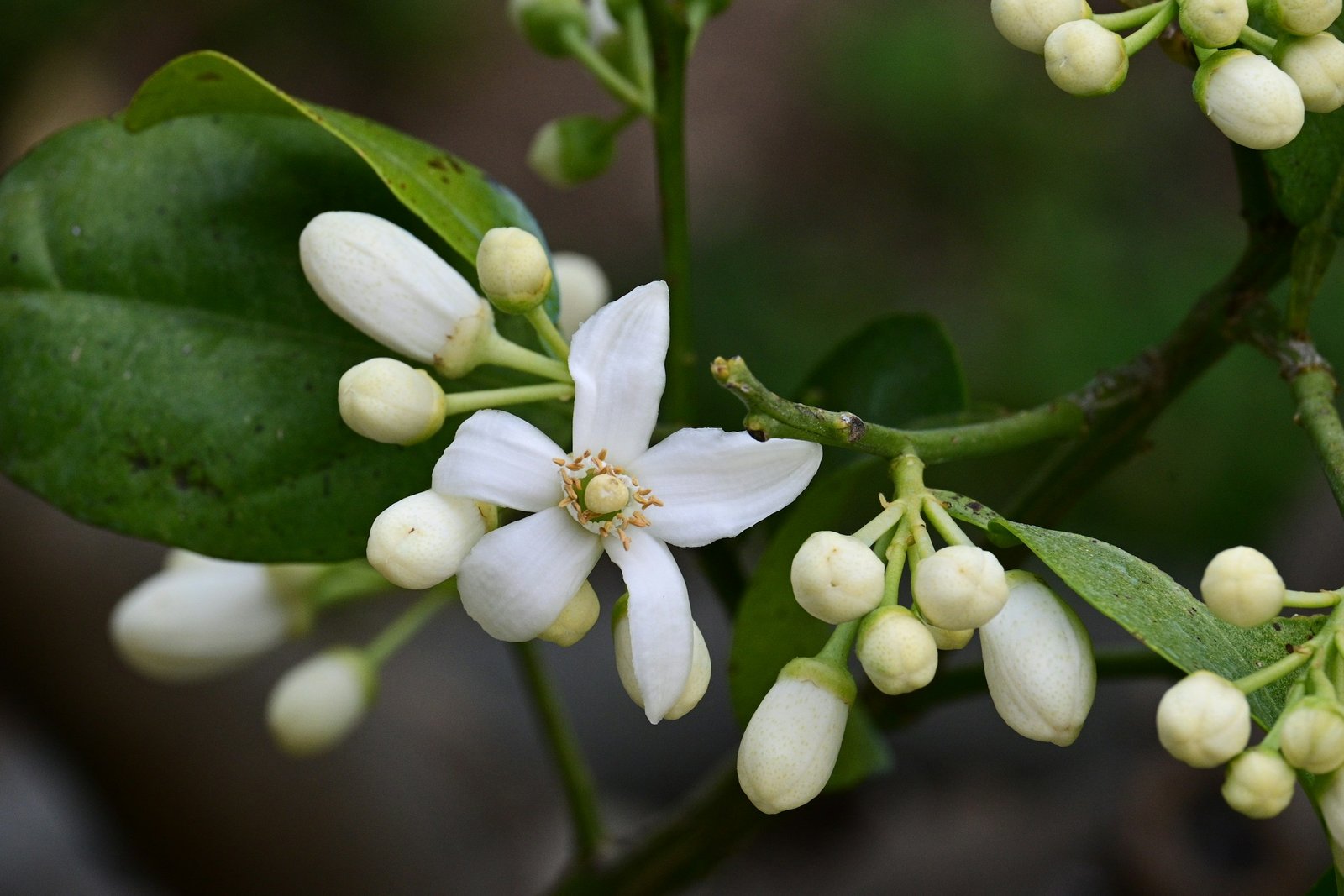
Land and flowering
Azahar, thyme, flowers and forest are not just names. They identify different landscapes, blooms and profiles.
Honey retains signs of its surroundings: aroma, intensity, color and texture.
Before the jar,
There's a territory.
Four expressions
Each variety has its own character. There is no better one: there is a more suitable one for every moment.
Floral, delicate and friendly. A soft expression linked to the flowering of citrus fruits.
Herbal and Mediterranean. More presence, without losing cleanliness or balance.
A balanced and naturally floral profile, born of different blooms.
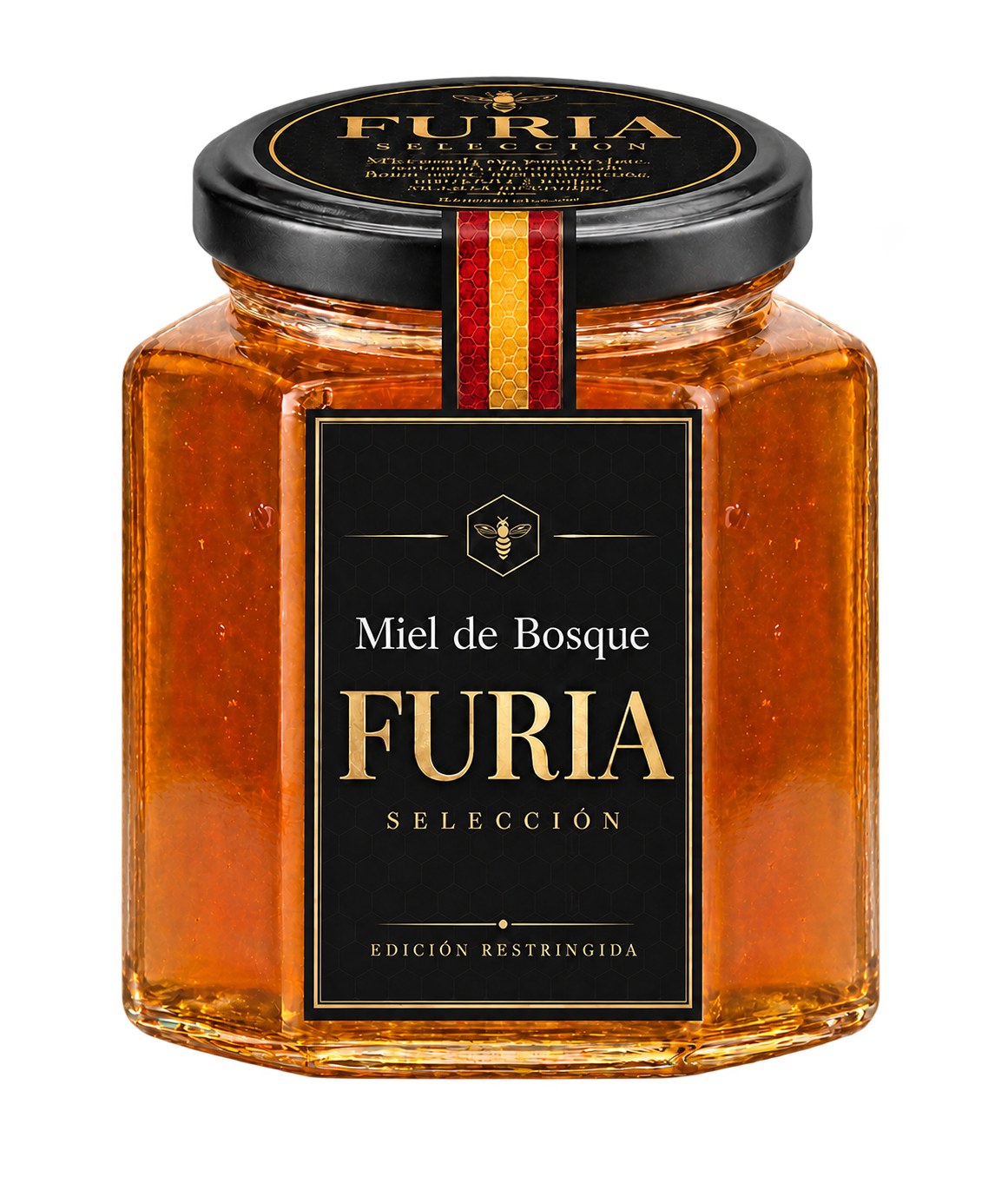
Dark, intense and persistent. A honey for those who seek greater intensity.
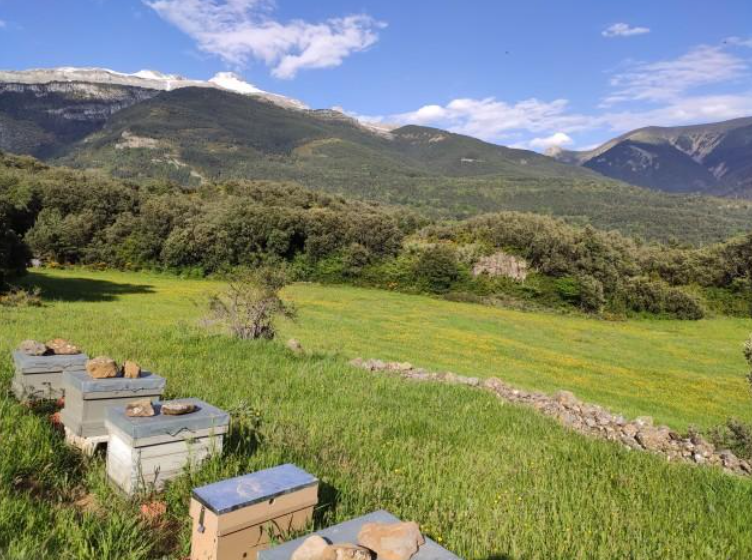
Hives in the environment
We do not produce a flowering or accelerate a campaign. Availability depends on the territory, climate and an activity that we do not completely control.
When a honey is finished, waiting is also part of our judgment.
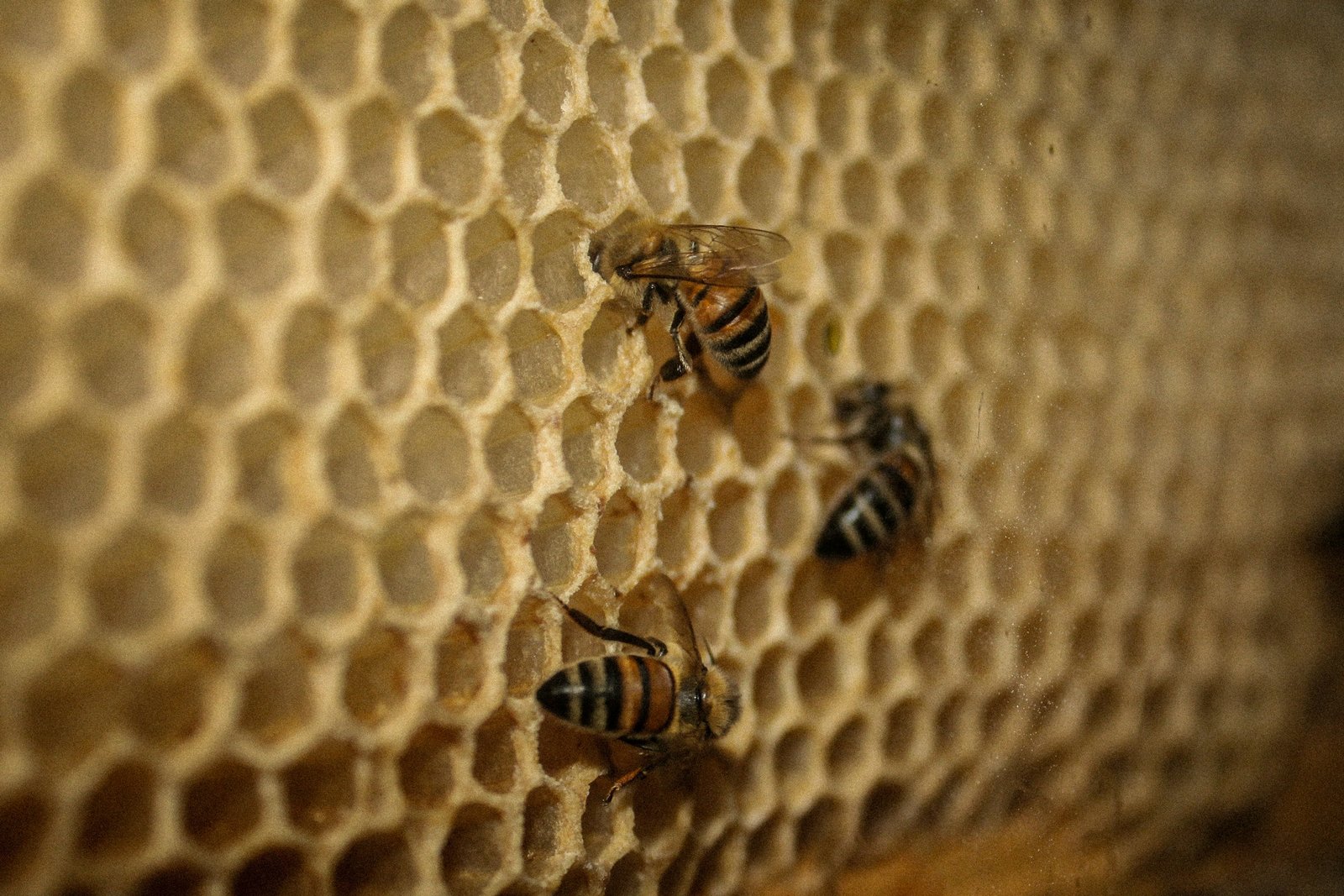
Inside the hive
A food produced by bees from plant resources, transformed and stored in the honeycomb.
Its color and texture can change over time. Crystallization is a natural process and does not mean that honey is worse.
The honeycomb explains
what the package does not show.
From honeycomb to jar
Between the hive and the jar there is work. The difference is in intervening only what is necessary.
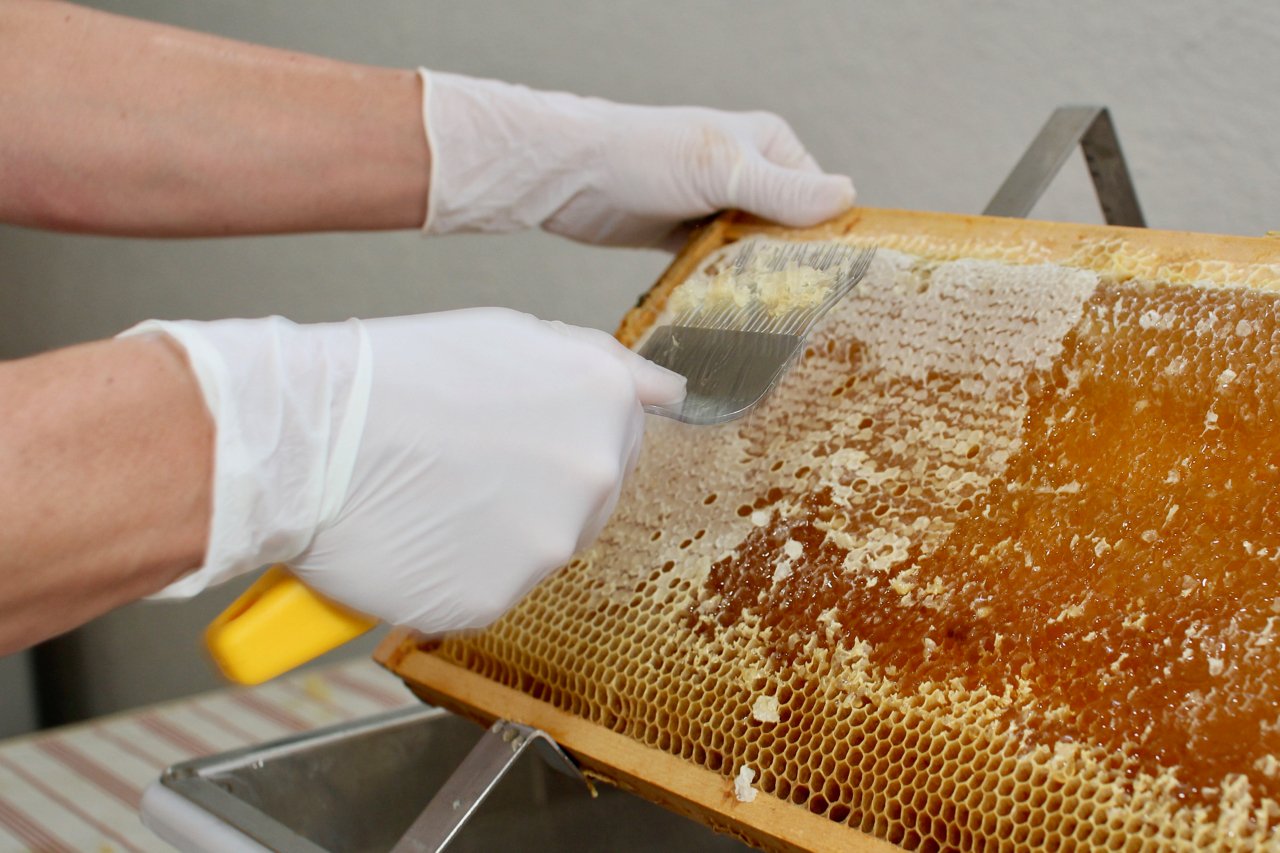
01 · Extraction
We open the honeycomb and carefully extract the honey. We intervene to preserve its character.
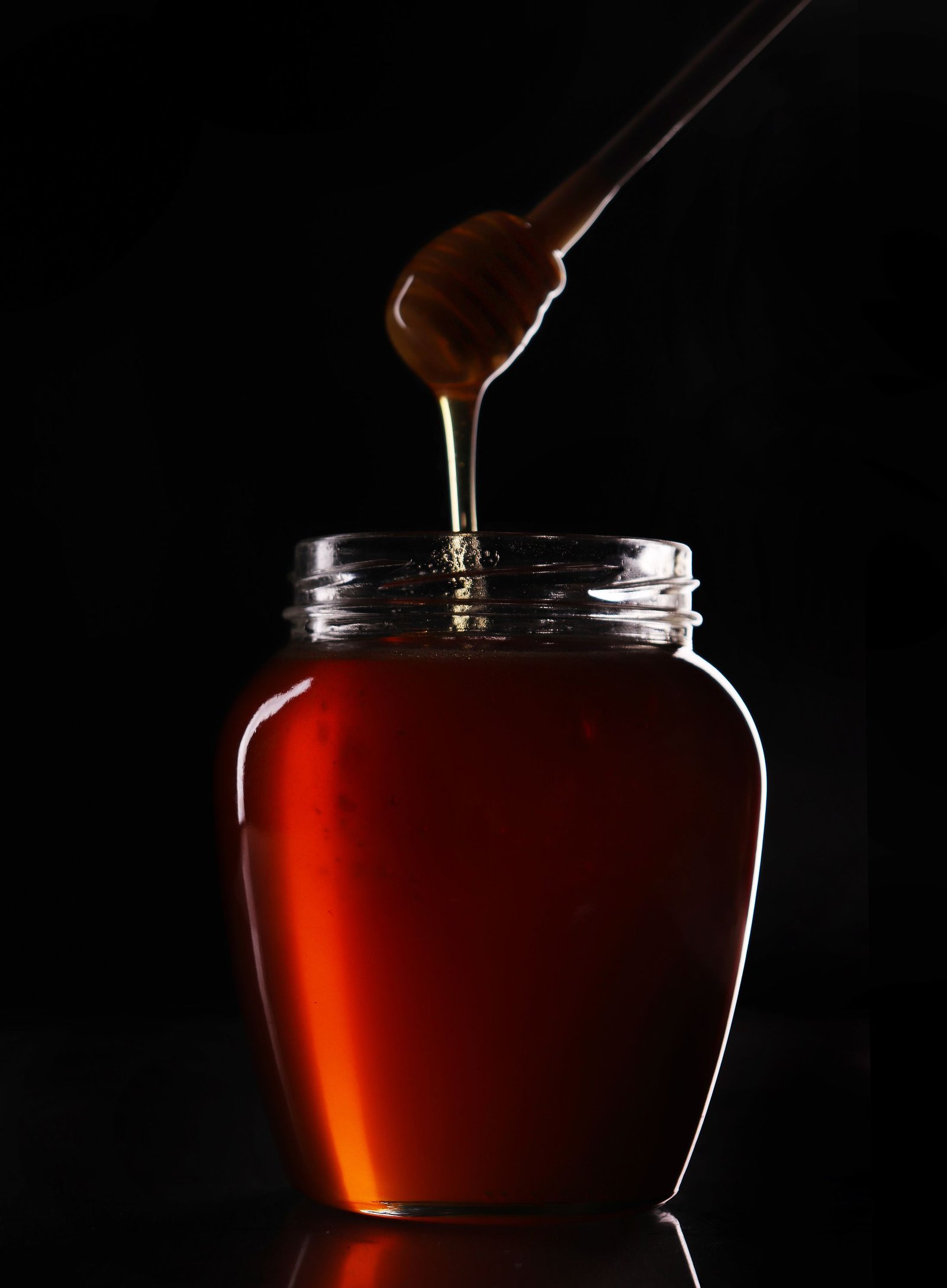
02 · Texture and packaging
The glass jar shows the color, texture and evolution of each honey. Four different origins do not have to look alike.
What deserves to be explained
Choosing better starts by understanding what changes between varieties, how to conserve them and what behaviors are natural.
Select a question. The answer will appear without removing you from the page.
Because a short collection allows to defend the character of each variety. We do not choose by number of references, but by origin, profile and regularity enough to offer it under our name.
Mainly the environment and plant resources that intervene in its origin. This is expressed in aroma, intensity, tonality and texture. The differences between crops are natural.
Color is not an element of constant design. It can vary with the botanical origin, campaign and evolution of the product itself. That's why we prefer to show each variety honestly.
Crystallization is a natural process. Its appearance and speed depend, among other factors, on the composition of sugars, humidity and conservation temperature.
Crystallizing doesn't mean spoiling.
Azahar if you are looking for delicacy; Tomillo if you prefer an aromatic and herbal profile; Flowers if you seek floral balance; Forest if you look for depth and intensity.
The final decision belongs to taste.
Keep the jar tightly closed, in a dry place protected from light and direct sources of heat. It does not need constant exposure to cold.
Knowing its origin, testing it, comparing it and deciding whether we are willing to offer it personally. When something is not born out of our hands, our responsibility begins precisely in knowing how to choose it.
Meet → test → compare → choose.
Why Furia Selección
Nature sets the limits first. Then, we select.
We're not looking for four similar honeys.
Four origins.
Same demand.
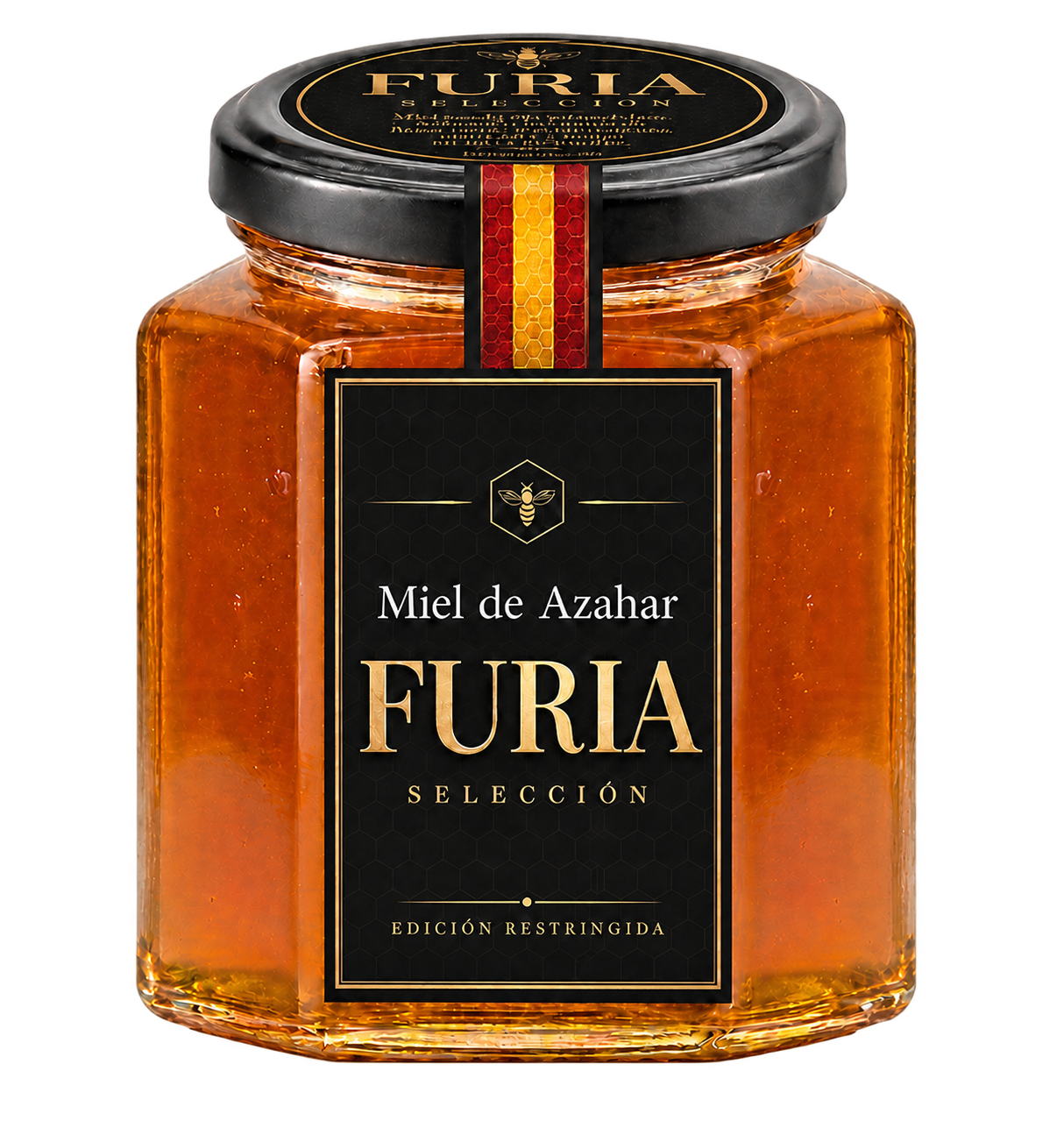 Orange blossom
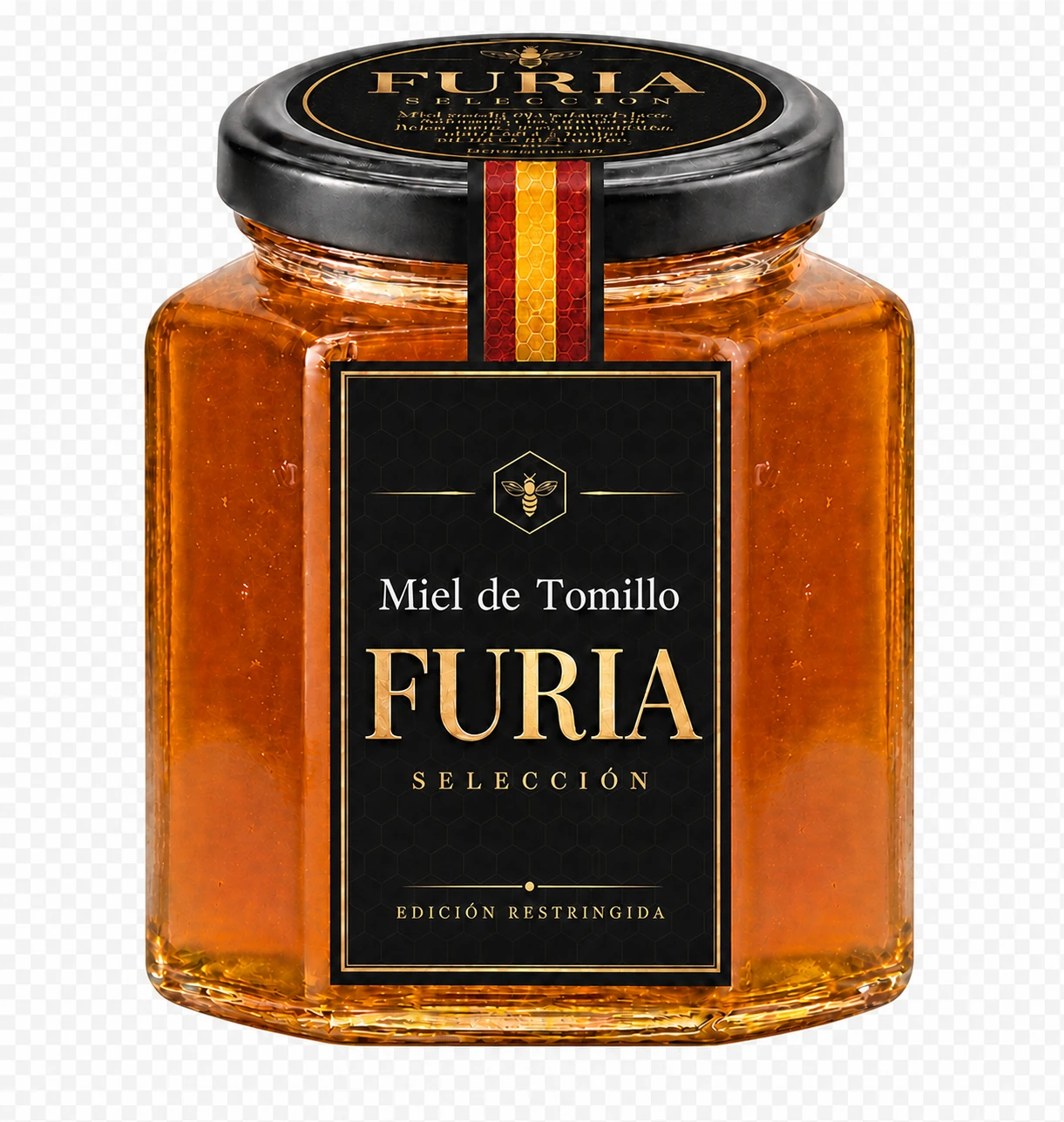 Thyme
Thyme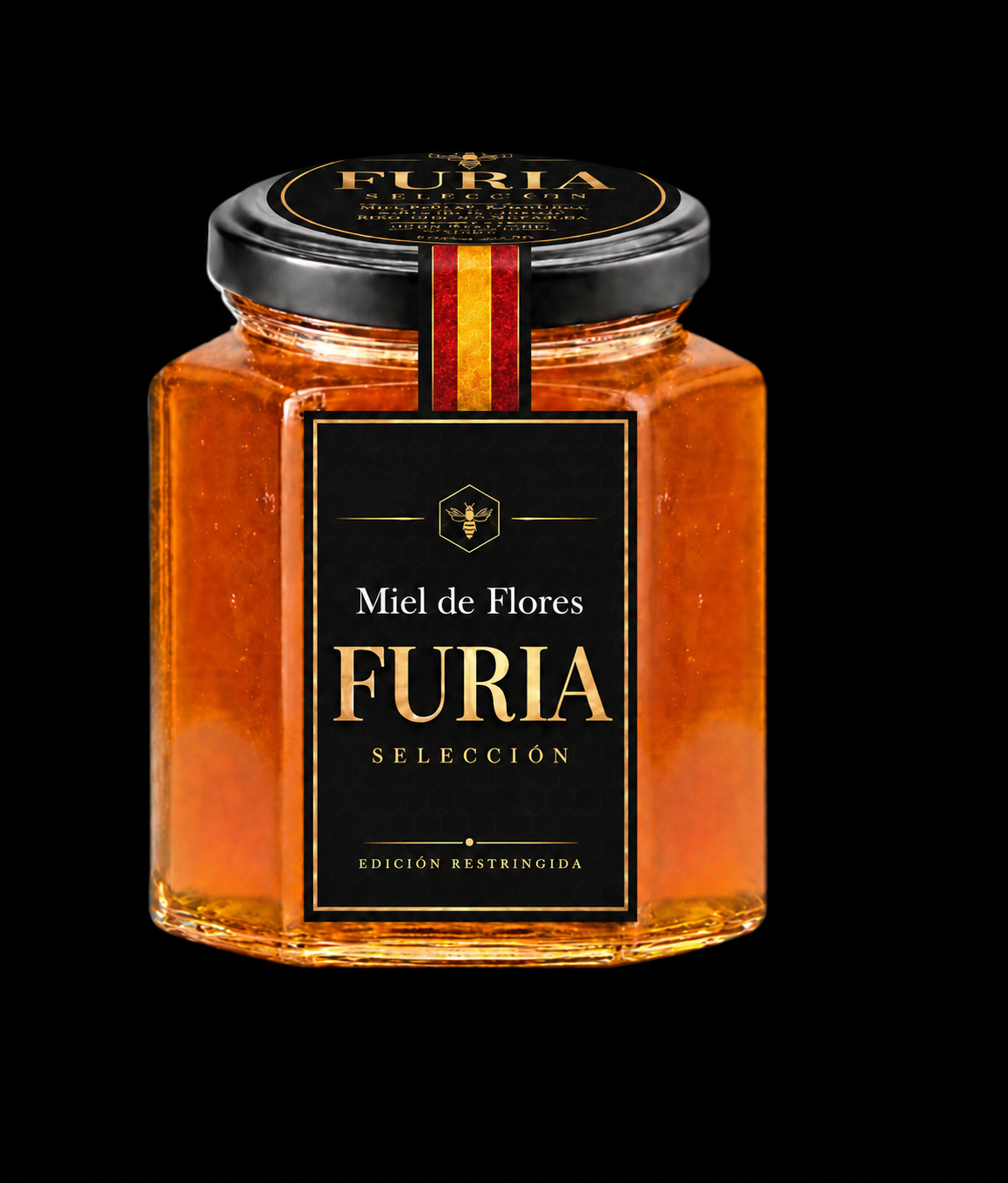 Flowers
 Forest
AVOCADOS
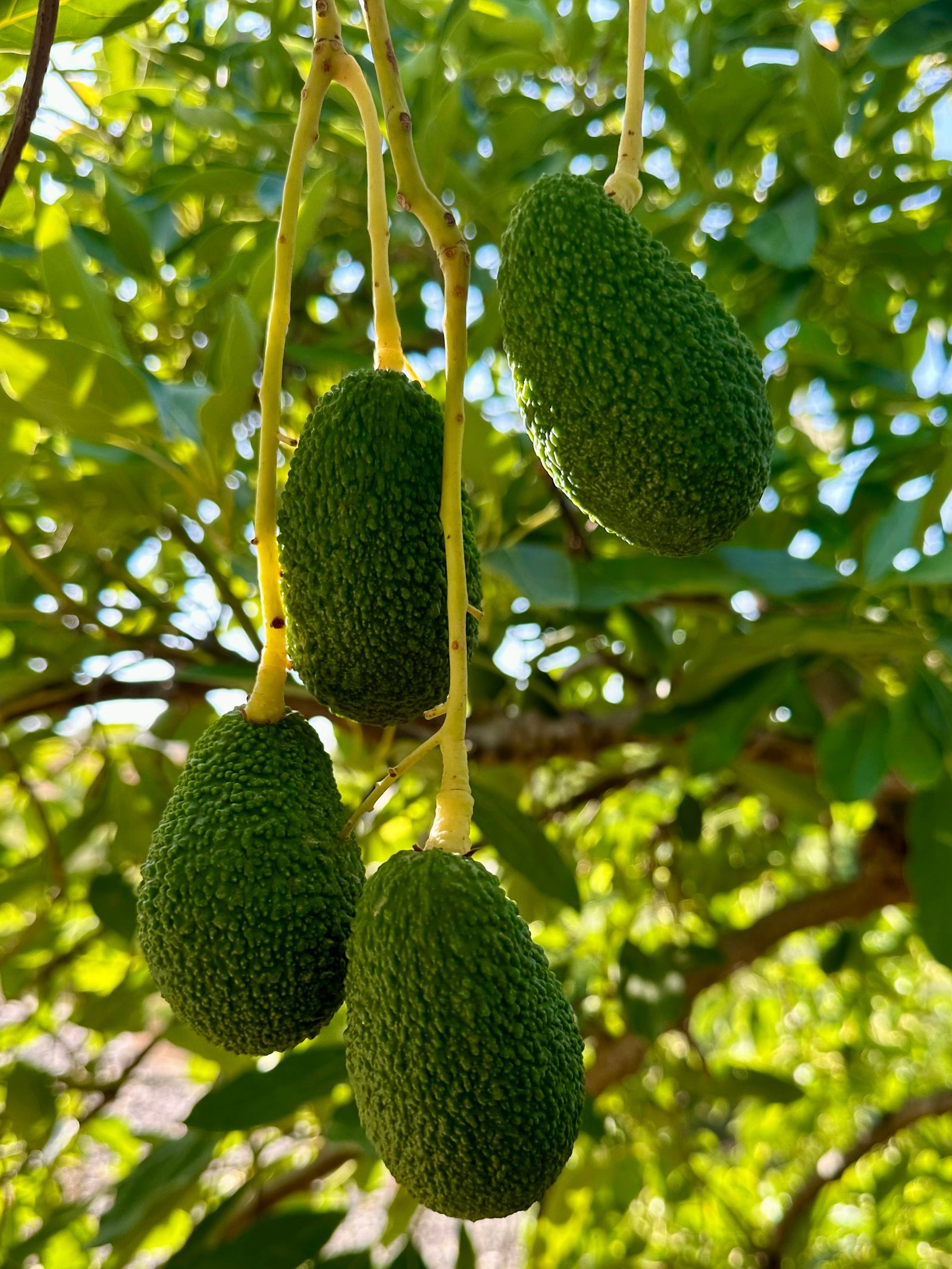
Cultivated in natural park · Certified ecological
From Tree to Your Table
Known origin. Limited lots. Selection does not start in a box. It starts in the tree.
A way of working
We don't pick up the whole estate at once.
During the campaign we return to the field and, in each pass, select the fruits that are at the right time.
We collect according to demand, the moment of fruit and conditions of the field.
We value state, consistency and quality beyond a small exterior brand.
No added waxes and minimal manipulation required.
We prepare a fast expedition, as long as the product can travel well.
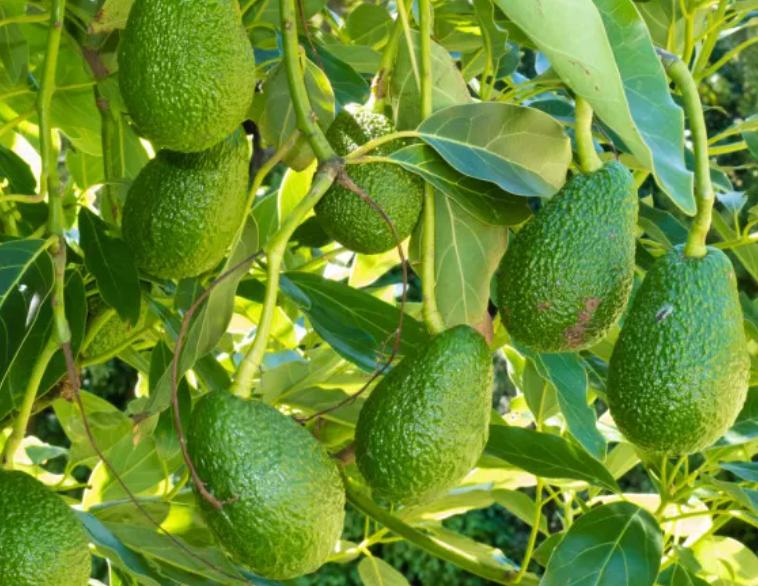
What you see doesn't explain everything.
In the field, fruit can show small scratches, skin marks or slight variations of shape.
That does not make it worse. Selecting well is to distinguish an external mark from a real defect.
They're not identical.
They're real.
From Farmer to Your Home
Our goal is for the avocado to complete the route from harvesting to your home in 24–48 hours.
Buy directly from the farmer, without losing sight of the most important thing: that fruit travels when it can really do well.
01Collection
The climate and fruit state decide when the tour begins.
02Selection
We choose and prepare only the fruit that corresponds to that moment.
03Issue
We avoid shipments that can leave the product under arrest during the weekend.
04Your house.
We are looking to complete the route 24–48 h from collection.
If the tour can't be done well,
We'd rather wait.
Guide Furia maturation
The Hass can arrive firm and finish ripening at home. The color guides, but the touch confirms when it is ready.
Phase 01
He needs time.
Phase 02
Maturation is on.
Phase 03
Almost done.
Phase 04
Ready to consume.
Each fruit matures at its own pace. It uses color as a orientation and always confirms with gentle pressure.
Know the product
How we cultivate it, when we collect it, how it travels and how it ends up growing.
Direct responses to our process and, when we talk about science, supported by independent sources.
Our farm is located on land with an important clayous component. This soil forms part of the particular characteristics of our cultivation and of our way of understanding the origin.
From our own experience with the fruit we produce, one of the characteristics that we most appreciate in our Hass is its marked creaminess and texture. The origin is also perceived in mouth.
We do not scientifically attribute that creaminess to the soil: we describe our land and the sensory quality we observe in our product.
We do not collect the entire farm at once. We make different passes during the campaign and we gather according to demand and time of fruit.
Collect → select → prepare → send.
Because a tree is not a production line. Not all fruits evolve exactly the same or reach the same state at the same time.
We return to the field as many times as necessary and select in each pass the fruits that correspond to the moment of harvest we seek. It is more work. That's precisely why we do it.
And that's precisely the meaning of Selection.
The rest of the production has output through the usual channels in the sector. It does not necessarily mean that it is a bad product: it means we reserve Furia Selección We prefer to sell less under our name rather than turn "Selection" into an empty word.
Because it depends on the harvest, season, actual availability and our selection. When we don't have the product we want to offer, we prefer to indicate that it is not available.
We do not replace selection by availability.
The Hass It does not reach its consumption maturity in the tree. After harvesting it begins to ripen and naturally increases its production of ethylene. That is why it can arrive firm and finish maturing at home. It is not a defect: it is part of the nature of avocado.
Source · UC Davis PostharvestIn a Hass There are two particularly useful tracks: color and touch. The skin usually evolves from green to darker shades, but the colour alone is not enough.
Press gently with your hand. When you give in slightly without feeling overly soft, you will normally have reached a good point of consumption. You do not need to press it repeatedly with your fingers.
Maturation indicators · UC DavisLeave it at room temperature. To speed up the process, you can place it in a paper bag next to an apple or tomato, fruits that release ethylene.
Conservation and maturation · UC DavisLet it ripen at room temperature. When you approach the point where you like to eat it, you can put it in the fridge to slow its evolution.
Out to grow up.
Cold when you want to slow down the process.
Because you are buying nature, not manufactured parts. The moment of collection, the position in the tree, physiological maturity and subsequent conditions influence its evolution.
Two avocados can arrive together and be ready at different times. It is not a lack of uniformity: it is natural product.
Yeah. Furia Selección offers a direct purchase model to the farmer, with known origin and a collection and expedition linked to the actual availability of fruit.
We want the tour to be from the farmer to your home, with the minimum necessary manipulation and without picking up the entire farm at once.
Getting to know our organic avocados →Furia Selección
Honey extraction — Dunkle Biene, CC BY-SA 2.0; adapted frame.